
"China coffee growth"
3000 article(s) found

Analysis of China Coffee Franchise Market in 2014
After entering the 21st century, the rapid growth of China's economy, the continuous improvement of people's quality of life, the increasing diversification of drinks, coffee gradually linked with fashion and modern life have led to a rapid increase in coffee consumption, forming a huge consumption potential market.

Foreign media commented on the rapid growth of this coffee shop chain in China.
From Best Buy to BQ, many foreign brands and business models have met their Waterloo in China. However, the Western retail concept of foreign coffee shops, which was perhaps the least likely to succeed, has flourished in China. Despite thousands of years of tea drinking in China, coffee chains from the United States, Britain and South Korea have been able to expand rapidly in China. This coffee.

Chinese millennials love coffee more than tea, Nestl é and Starbucks are optimistic about growth potential.
Professional baristas Please pay attention to the Coffee Workshop (Wechat official account cafe_style) although Chinese people are traditionally used to drinking tea, more and more young millennials go to coffee shops rather than teahouses, thinking it is more comfortable. Large coffee chains, including Starbucks (SBUX-US), have noticed this change in consumption trends. According to Peng

From instant noodles to coffee brewing, the transformation of consumption concept has spawned new growth points in China
Shoppers in the world's second-largest economy are getting richer and older: instant coffee is giving way to brewed coffee, boutique beer is gaining popularity, and the halo of mainstream beauty products is being replaced by more expensive products. Meanwhile, instant noodle sales are declining. Morgan Stanley (32.9, -0.03, -0.09%) and London-based market research firm Mintel Group Ltd.

The increase of national income is expected to increase the per capita consumption of coffee.
The improvement of China's national income level is expected to lead to the increase of coffee consumption per capita. The market penetration of the young and middle-aged population helps to drive the growth of potential coffee consumers. As a drink with unique taste, coffee is very popular among young and middle-aged people. The survey shows that different age groups in China have different degrees of love for coffee, among which people aged 41-50 account for 24% of the total.

It is expected that China's coffee market will maintain a high growth rate in the next five years.
Following Kaiping (official Wechat account vdailycom) found that Beautiful Cafe opened a small shop of its own from 2011 to 2016. China's coffee market grew at a compound annual rate of 13.5%, reaching 14.793 billion yuan in 2016. According to a survey in 12 inland cities, 32% of city dwellers drink coffee. Among them, young men and women, housewives and urban white-collar workers become drinks.

There are more than 500 Tims coffee stores in China, with revenue growth of more than 70% in half a year!
Professional coffee knowledge exchange more coffee bean information please follow the coffee workshop (Wechat official account cafe_style) more boutique coffee beans please add private Wechat Qianjie coffee, WeChat: qjcoffeex recently, Tims coffee in China officially opened in Dongguan, Guangdong. This is

Starbucks has expanded its stores by 70% in the past five years, hitting China's local coffee brands.
Full of confidence in the Chinese market, China's annual economic growth (GDP) fell to 6.9% in 2015 from 7.3% the previous year, the lowest level in 25 years. It is an indisputable fact that China's economic growth is slowing. However, Starbucks CEO Howard Schultz announced more than once that the company's market size in China will surpass that of the United States to become the world's largest market in the future.

The Kopi Luwak counterattack became the highlight of the coffee market ushered in the perfect counterattack after the trauma of the new rival.
With the popularity of the third wave of coffee culture around the world, the number of urban coffee chains in China shows a blowout trend. Among them, Kopi Luwak, which is recognized as the most expensive coffee in the world, is gradually entering the Chinese market.

The growth rate of South China market is as high as 30%-Kopi Luwak locates itself in the middle and high end market.
In addition, in order to meet more consumer demand and brand promotion, Kopi Luwak has not only pure high-end Kopi Luwak, but also medium-and low-end coffee with a selling price of about 20,30 yuan, and even instant coffee products. The ratio of high-end products to low-end products is 3:7. At present, cafes are polymorphic in China. In this context, Zhu Danpeng believes that coffee shops such as Starbucks and Pacific Cafe
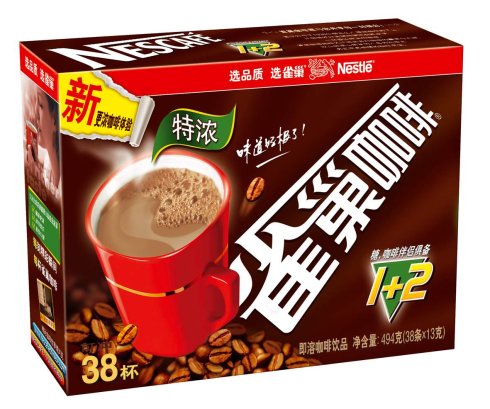
Is Nestl é too optimistic about instant coffee and a drag on mergers and acquisitions?
In February 2015, nearly 400 tons of unexpired Nestle coffee was destroyed in Dongguan, Guangdong, with a market value of nearly 10 million. Nestl é officials responded that the move was to keep products fresh and destroy stocks. The dumping of instant coffee by Nestl é (China) Co., Ltd. (hereinafter referred to as Nestle China) is the largest destruction of instant coffee since the factory was established in 1992. Xu Xiongjun, an expert on strategic positioning of food and beverage, believes that

Coffee shop research report: research on the competition pattern and investment strategy of coffee shop industry in 2013-2017
In the past decade, coffee shops have sprung up in the streets of major cities in China, especially with the entry of Starbucks, Shangdao and other large enterprise groups, the market is showing a lively scene. Coffee consumer groups are gradually growing, coffee culture is gradually taking shape in inland cities, and the domestic coffee consumption market continues to expand every year. Although the current country

China's coffee market is rapidly growing into a red sea, and brands from all over the world are rushing into it
Professional coffee knowledge exchange More coffee bean information Please pay attention to coffee workshop (Weixin Official Accounts cafe_style) According to this year's report of China Business Industry Research Institute, the coffee market scale in China exceeded 200 billion yuan (RMB, the same below) last year, and it is expected to reach 300 billion yuan by 2020. The rapid growth has attracted many countries to actively enter the market, including Brazil's Santa Monica coffee is expected to enter China.

China's coffee consumption will maintain an annual growth rate of about 20%
For coffee to be truly successful in China, it will have to convince less-visited regions that coffee can complement or even replace tea, especially for some unique coffee varieties. The Wall Street Journal website once reported that as the economic development slows, China's commodity demand may be slowing down, but in a country with a tradition of drinking tea, coffee is even more expensive.

Coffee consumption market annual growth of 25% hand-washed grinding will be more popular
As consumers 'coffee consumption tastes are getting higher and higher. Consumers are beginning to recognize the brand, style and purity of coffee and want to enjoy coffee. The popularity of office and home coffee machines provides convenient conditions for consumers to consume coffee beans. In addition, large coffee chains have entered China, such as Starbucks, CAFFE PASCUCCI, Shangdao, Man Coffee, etc.

Nestle's sales reached 91.4 billion Swiss francs last year, with Starbucks contributing part of the results
Professional coffee knowledge exchange More coffee bean information Please pay attention to coffee workshop (Weixin Official Accounts cafe_style) February 14, the world's largest food manufacturer Nestle released 2018 results show that its sales of 91.4 billion Swiss francs, an increase of 2.1%; net profit of 10.1 billion Swiss francs, an increase of 41.6% year-on-year. And get Starbucks product sales rights, China and the United States
Store revenue plans of various coffee brands in China
The slowdown in retail growth has not dampened international investors' enthusiasm for expansion in the mainland market. A survey of retail activity in the Asia-Pacific region released by CBRE yesterday showed that 64 per cent of respondents were willing to open a new store on the mainland this year. This proportion is much higher than that of Vietnam, Hong Kong and Singapore.

The annual market growth rate of China's coffee industry is more than 10%.
Tea, coffee and cocoa are called the three major drinks in the world. In recent years, with the improvement of domestic economic level and the change of people's way of life and work, the market prospect of coffee is getting better and better. Coffee beans play a very important role in both private and business occasions.
Huge Investment opportunities for Coffee in China
In China, "food comes first". Eating is not only for survival, but also the quintessence of the nation. Many foreigners are often surprised by the Chinese people's attention to diet and the time and energy they spend on buying or cooking. In fact, the consumption and pattern of meals in China also marks the current economic development, and even the investment opportunities in the future.
Behind Lucky's crazy growth: the rapid rise of coffee demand in China?
Lucky's current growth is mainly driven by the opening of stores, and short-term losses continue under the subsidized education model. Lucky has 2370 stores as of 2019Q1, and plans to accelerate the opening of 2500 stores in 2019. At this stage, lucky is shop-driven, the actual unit consumer purchase volume has not increased significantly, before the formation of stickiness, the marginal benefit of permeability has a decreasing trend. Considering the subsidy. Present stage